




Instructions
When it comes to crowd-pleasing cookout favorites, McCormick® rib recipes bring bold flavor to the grill. From tender pork baby back ribs to hearty beef ribs, different cuts offer different textures, cook times, and flavor experiences. Some are perfect for quicker grilling, while others benefit from low-and-slow cooking with a well-balanced rib rub or marinade.
Whether you prefer sweet and smoky baby back ribs or tangy BBQ ribs, learning how to grill ribs starts with choosing the right cut, seasoning with intention, and cooking over steady heat until tender.
Ribs 101: Choosing the Right Cut
Not all ribs cook the same, and understanding the differences helps you get the best results.
Baby back ribs are smaller, leaner, and naturally tender, making them a popular choice for grilling. Recipes like Grilled Applewood Baby Back Ribs use McCormick Grill Mates Applewood Rub to create a smoky, savory crust with notes of garlic and pepper.
Spare ribs are larger and meatier, with a richer bite that holds up well to bold seasoning and longer cook times. St. Louis-style ribs, a trimmed version of spare ribs, cook evenly and are ideal for grilling, baking, or smoking.
For a more robust option, beef ribs—especially beef back ribs—deliver a heartier texture and deeper flavor. In Beef Back Ribs, McCormick Grill Mates Mesquite Seasoning builds a rich, smoky profile that develops over a longer cook and finishes with a flavorful glaze.
Regional styles also shape how ribs are seasoned and finished. Memphis-style ribs focus on layered seasoning with a subtle finish, while Carolina-style ribs lean tangy with mustard-based flavor. Texas-style ribs highlight bold seasoning and deep barbecue flavor, and Kansas City-style ribs are known for their rich, saucy finish.

Marinades VS. Rubs for Ribs
Flavor starts before the ribs hit the grill. Choosing between a marinade and a rub can define the final result.
Dry rubs build a flavorful crust and layer in smoky, savory, sweet, or peppery notes. In Grilled Sweet and Smoky Baby Back Ribs, McCormick GRILL MATES Sweet & Smoky Rub delivers a blend of chipotle, cinnamon, garlic, and onion that develops as the ribs cook. Memphis Style Ribs combine McCormick GRILL MATES Barbecue Rub, McCormick Garlic Salt, and McCormick Chipotle Chili Pepper for a bold, balanced profile finished with maple syrup.
Marinades add another layer of flavor. In BBQ Pork Ribs, McCormick Grill Mates Mesquite Marinade is paired with a sauce made from ketchup, brown sugar, and orange juice for a glossy finish.
Some recipes use both. Carolina BBQ Ribs and Mustard-Rubbed Texas BBQ Ribs start with French’s Classic Yellow Mustard, followed by McCormick Grill Mates Applewood Rub or McCormick Grill Mates Mesquite Rub, creating a layered, full-flavored result.
How to Cook the Best Ribs
Great ribs rely on steady heat and the right method.
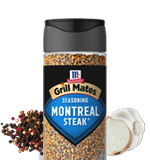
Grilling creates a lightly charred exterior and classic cookout flavor. Grilled Slow Cooked BBQ Ribs use foil packets with beer and McCormick Grill Mates Montreal Steak Seasoning to gently steam the ribs before finishing over the flame with barbecue sauce.
Baking offers a simple indoor alternative, following the same low-and-slow approach before a quick broil for color.
Smoking builds deeper flavor over time. In Smoked Ribs, a coating of French’s Classic Yellow Mustard and McCormick GRILL MATES Cracked Peppercorn & Worcestershire Seasoning creates a savory base, while apple juice helps maintain moisture before finishing with BBQ sauce.
No matter the method, the goal is the same: cook the ribs gently until tender, then finish with heat or sauce for added flavor.

Step-by-Step: How to Grill Ribs
Start by preparing the ribs. Remove the membrane if needed, pat dry, and season generously. This might mean using McCormick Grill Mates Applewood Rub for a smoky profile or McCormick GRILL MATES Sweet & Smoky Rub for a balance of sweet and heat. For more layered flavor, blends like McCormick GRILL MATES Barbecue Rub, McCormick Garlic Salt, and McCormick Chipotle Chili Pepper create a rich coating. Some recipes begin with a layer of French’s Classic Yellow Mustard to help seasoning adhere.
Set up the grill for indirect heat, keeping one side off so the ribs cook away from direct flame. Maintain a medium-low temperature, around 275°F to 300°F.
Cook the ribs low and slow until tender and the meat begins to pull away from the bones, typically 2 to 3 hours for baby back ribs. Recipes like Sweet and Smoky Ribs with Grilled Sweet Potatoes and Mustard-Rubbed Texas BBQ Ribs use foil wrapping to help retain moisture, while Beef Back Ribs and Smoked Ribs cook longer to develop deeper flavor.
Finish by moving the ribs over direct heat to brown and caramelize. This is when sauces or glazes are added, such as maple syrup for Memphis Style Ribs, a ketchup-based sauce for BBQ Pork Ribs, or barbecue sauce for recipes like Grilled Slow Cooked BBQ Ribs and Smoked Ribs.
Tips for Tender, Flavorful Ribs
Cooking ribs low and slow helps create the tender texture associated with great BBQ ribs. Adding sauce or glaze near the end prevents burning while allowing it to set properly.
Letting ribs rest briefly before slicing helps retain moisture and makes for cleaner cuts. Whether grilling pork or smoking beef ribs, giving them time to settle before serving makes a noticeable difference.
For a complete cookout menu, pair ribs with seasonal sides like pasta salads, summer dinners, or potato dishes.
Favorite Rib Recipes to Try
If you’re exploring different rib recipes, each of these offers a distinct flavor and grilling approach.
For a classic smoky option, Grilled Applewood Baby Back Ribs develop a rich, savory crust with McCormick Grill Mates Applewood Rub, delivering notes of smoke, garlic, and pepper.

Memphis Style Ribs bring bold seasoning with McCormick Grill Mates Barbecue Rub, McCormick Garlic Salt, and McCormick Chipotle Chili Pepper, finished with a light maple syrup glaze for balance.
For a saucier take on BBQ ribs, BBQ Pork Ribs combine McCormick Grill Mates Mesquite Marinade with a sweet and tangy sauce made from ketchup, brown sugar, and orange juice, creating a caramelized finish.
In Carolina BBQ Ribs, French’s Classic Yellow Mustard and McCormick Grill Mates Applewood Rub create a tangy, savory base, finished with a mustard and honey glaze.
Grilled Sweet and Smoky Baby Back Ribs use McCormick Grill Mates Sweet & Smoky Rub to build a balance of sweet and heat, finishing with a lightly browned exterior.

For a full grill meal, Sweet and Smoky Ribs with Grilled Sweet Potatoes pair tender ribs with caramelized sweet potato wedges.
Mustard-Rubbed Texas BBQ Ribs combine French’s Classic Yellow Mustard and McCormick Grill Mates Mesquite Rub, finished with a tangy sauce made from ketchup, cider vinegar, McCormick Chili Powder, and French’s Worcestershire Sauce.
Grilled Slow Cooked BBQ Ribs are seasoned with McCormick Grill Mates Montreal Steak Seasoning and cooked in foil with beer before finishing over the flame with barbecue sauce.

For a heartier option, Beef Back Ribs deliver rich flavor with McCormick Grill Mates Mesquite Seasoning, finished with a glaze made from Stubb’s® Original Barbecue Sauce and beef tallow.
And for deep, layered flavor, Smoked Ribs are coated with French’s Classic Yellow Mustard and McCormick Grill Mates Cracked Peppercorn & Worcestershire Seasoning, then finished with BBQ Sauce, such as Stubb’s or Mission BBQ® for a caramelized glaze.

Whether you’re making smoky baby back ribs, tangy Carolina-style ribs, or rich beef ribs, the right technique makes all the difference. Once you know how to grill ribs, it’s easy to explore new flavors and recipes for any cookout.


